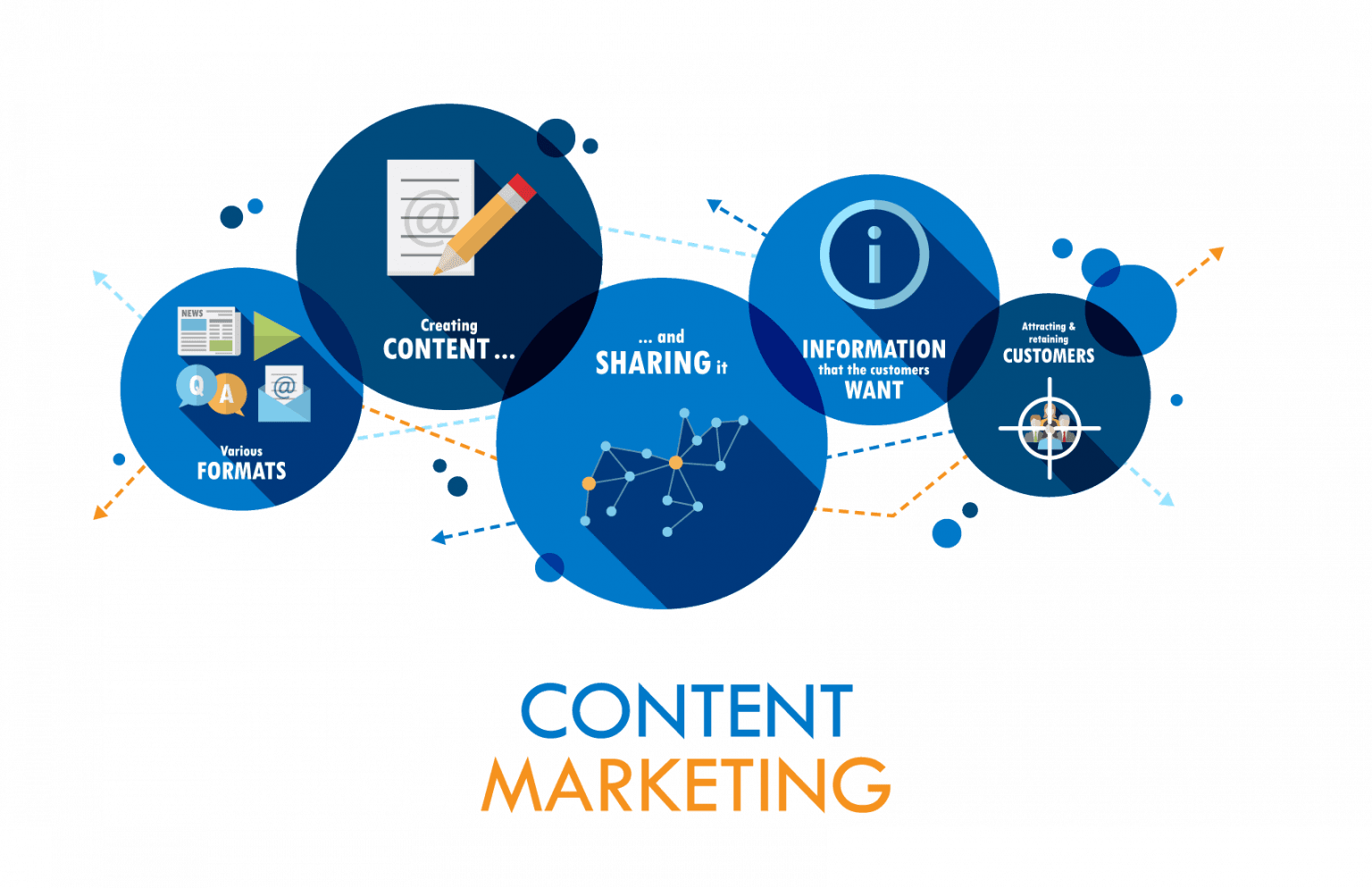
In today’s digital-first world, simply having a website or social media account isn’t enough. Businesses that truly stand out are the ones that build a strong, consistent, and meaningful online presence. And at the heart of that success lie two powerful forces: branding and content marketing.
When done right, these two elements don’t just attract attention—they build trust, create loyalty, and ultimately drive long-term growth. So, how do you actually make it happen? Let’s break it down step by step.
Why Online Presence Matters More Than Ever
Before diving into strategies, it’s important to understand why your online presence is so crucial.
Think about your own behavior. Whenever you hear about a new brand, what’s the first thing you do? You search for it online. You check their website, scroll through their social media, maybe read reviews or blog posts. Your audience is doing the exact same thing.
If your online presence is weak, inconsistent, or unclear, you lose credibility instantly. But if it’s strong, clear, and engaging, people are far more likely to trust you—even before they make a purchase.
Understanding Branding: More Than Just a Logo
Many people think branding is just about logos, colors, and fonts. While those elements matter, branding goes much deeper.
Your brand is:
Your voice
Your values
Your personality
The way people feel when they interact with your business
Strong branding answers questions like:
Who are you as a business?
What makes you different?
Why should people trust you?
Without clear branding, your content becomes random and forgettable. But with strong branding, everything you create starts to feel connected and purposeful.
Step 1: Define Your Brand Identity
Before creating content, you need clarity.
Start by defining:
Target audience – Who are you speaking to?
Brand voice – Friendly, professional, bold, or inspirational?
Core message – What problem do you solve?
Visual identity – Colors, typography, and style
For example, a tech startup might use a modern, minimal tone, while a lifestyle brand may lean toward emotional and storytelling-driven content.
Consistency here is key. The more consistent your brand feels, the more recognizable and trustworthy it becomes.
Step 2: Create High-Value Content That Solves Problems
Content marketing is not about posting randomly. It’s about delivering value.
Your content should:
Answer real questions
Solve problems
Educate or inspire your audience
Some powerful content types include:
Blog articles
Social media posts
Videos
Infographics
Email newsletters
Instead of focusing on selling, focus on helping. When people find your content useful, they naturally begin to trust your brand.
Step 3: Build a Consistent Content Strategy
Consistency is where most businesses fail.
Posting once a week and then disappearing for a month won’t build momentum. You need a clear content plan.
A strong strategy includes:
Content calendar (weekly or monthly)
Content themes (education, tips, stories, promotions)
Platform focus (website, Facebook, Instagram, LinkedIn, etc.)
For example:
Monday: Educational blog
Wednesday: Social media tips
Friday: Customer story or testimonial
Over time, this consistency builds familiarity—and familiarity builds trust.
Step 4: Focus on Storytelling, Not Just Information
People don’t connect with information alone—they connect with stories.
Instead of saying:
“আমাদের service best”
Tell a story:
“How one small business doubled its sales using our strategy”
Stories:
Feel real
Are easier to remember
Create emotional connection
You can share:
Customer success stories
Behind-the-scenes content
Founder journey
Challenges and lessons
This makes your brand human—and people trust humans more than businesses.
Step 5: Optimize for SEO (So People Can Find You)
Even the best content won’t work if no one sees it.
Search Engine Optimization (SEO) helps your content appear on search engines like Google. This brings organic traffic to your website.
Key SEO practices:
Use relevant keywords naturally
Write clear headings (H1, H2, H3)
Optimize meta titles and descriptions
Use internal and external links
Ensure fast-loading pages
For example, this article targets keywords like:
“online presence”
“branding and content marketing”
“build brand online”
Over time, SEO-driven content becomes a long-term traffic source.
Step 6: Be Active Where Your Audience Is
You don’t need to be everywhere—you just need to be where your audience spends time.
If your audience is:
Young → Instagram, TikTok
Professionals → LinkedIn
General consumers → Facebook
Focus on 2–3 platforms and do them well instead of trying to manage everything.
Also, engagement matters more than posting. Reply to comments, answer questions, and interact with your audience regularly.
Step 7: Build Trust Through Authenticity
People can easily detect fake or overly promotional content.
Instead of trying to look perfect:
Be honest
Show real experiences
Admit mistakes when needed
Authenticity builds deeper connections than polished marketing ever can.
For example:
Sharing a lesson from a failed campaign can be more powerful than showing only success.
Step 8: Use Visual Branding Consistently
Visual consistency strengthens recognition.
Make sure:
Your colors remain the same
Fonts are consistent
Design style matches your brand tone
When someone sees your content—even without your logo—they should recognize it instantly.
This is how strong brands stay memorable.
Step 9: Measure and Improve Continuously
Building an online presence isn’t a one-time effort. It’s an ongoing process.
Track:
Website traffic
Engagement rates
Conversion rates
Social media growth
Then ask:
What content performs best?
What do people engage with most?
What should we improve?
Use this data to refine your strategy over time.
Final Thoughts
Building a powerful online presence doesn’t happen overnight. It requires clarity, consistency, and creativity.
Branding gives your business identity.
Content marketing gives it a voice.
When these two work together, you don’t just attract attention—you build trust, authority, and long-term relationships with your audience.
Start small if needed. Stay consistent. Focus on value.
Over time, your online presence won’t just grow—it will become your biggest asset.

Admin সম্পর্কে
Admin দারুল উলুম একাডেমির একজন নিবেদিত শিক্ষা অনুরাগী এবং গবেষক। তিনি ইসলামি সংস্কৃতি, আধুনিক শিক্ষা পদ্ধতি এবং শিক্ষার্থীদের পূর্ণাঙ্গ বিকাশের জন্য নিরলসভাবে কাজ করে চলেছেন।