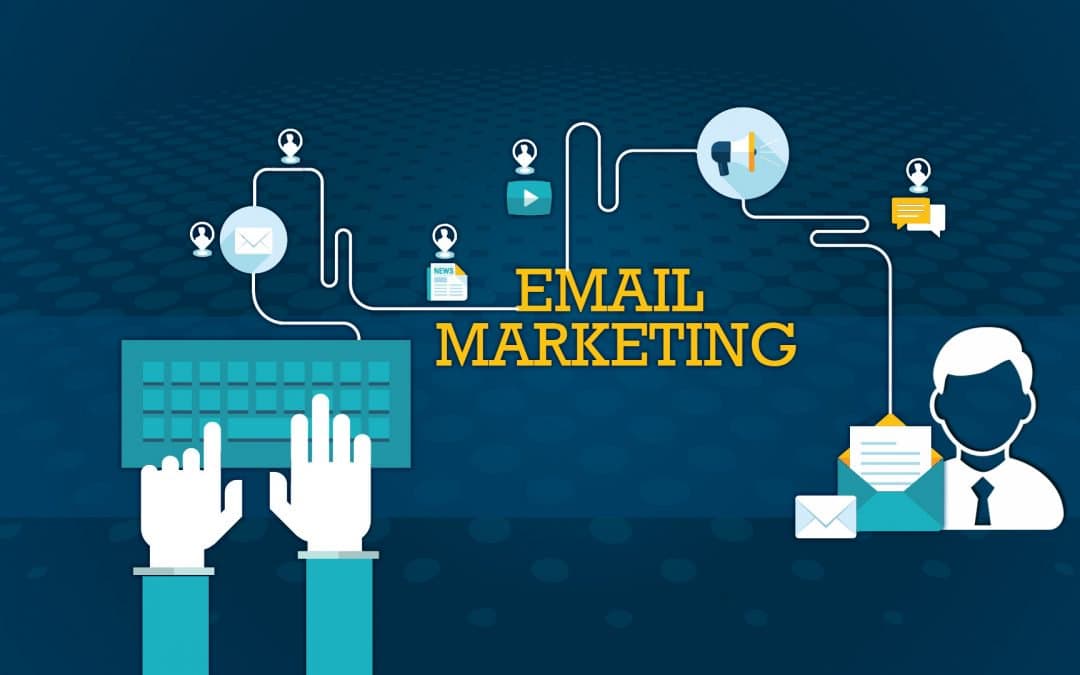
In a world full of social media noise and constant algorithm changes, one marketing channel continues to deliver consistent results—email marketing.
While many businesses chase trends, smart brands quietly build powerful connections through email. Why? Because email gives you direct access to your audience—no middleman, no algorithm, just you and your customer.
But here’s the truth: email marketing isn’t just about sending promotions. When done right, it becomes one of the most effective ways to build trust, nurture relationships, and increase revenue.
Let’s break down how it actually works—and how you can use it effectively.
What is Email Marketing?
Email marketing is the process of sending targeted messages to a group of people via email. These messages can be promotional, informational, or relationship-focused.
Common types of email campaigns include:
Newsletters
Promotional offers
Product updates
Educational content
Welcome emails
At its core, email marketing is about staying connected with your audience in a meaningful way.
Why Email Marketing Still Works in 2026
You might think email is outdated—but the numbers say otherwise.
Here’s why email marketing is still powerful:
1. Direct Communication
Unlike social media, your message goes straight to your audience’s inbox.
2. High ROI
Email marketing consistently delivers one of the highest returns among all digital channels.
3. Ownership of Audience
Your email list is yours. No platform can take it away.
4. Personalization
You can tailor messages based on user behavior, interests, and actions.
Building a Quality Email List (The Right Way)
Your success in email marketing depends heavily on your list.
But not just any list—a quality list.
Avoid:
Buying email lists
Adding people without permission
Instead, focus on organic growth.
Proven ways to grow your email list:
Offer a free resource (ebook, guide, checklist)
Add signup forms on your website
Use pop-ups with value-based offers
Run contests or giveaways
When people choose to subscribe, they are already interested in what you offer.
The Power of a Strong First Impression (Welcome Emails)
The first email matters more than you think.
A well-crafted welcome email can:
Build instant trust
Set expectations
Increase engagement
In your welcome email:
Introduce your brand
Share your story
Tell subscribers what they’ll receive
Offer a small value (discount, free content, etc.)
This sets the tone for your future communication.
Creating Emails That People Actually Read
Let’s be honest—most emails get ignored.
So how do you stand out?
1. Write Attention-Grabbing Subject Lines
Your subject line determines whether your email gets opened.
Keep it:
Short
Clear
Curiosity-driven
Example:
“You’re missing this simple growth trick…”
“A quick tip that can boost your sales today”
2. Keep Your Content Simple and Valuable
Don’t overcomplicate.
Focus on:
One main message
Clear structure
Easy readability
People don’t want long, confusing emails—they want value quickly.
3. Use a Conversational Tone
Write like you’re talking to a real person, not a crowd.
Avoid robotic language. Instead, keep it natural and human.
4. Add a Clear Call-to-Action (CTA)
Every email should have a purpose.
Examples:
“Read the full blog”
“Check out this offer”
“Download now”
Make it easy for readers to take the next step.
Email Personalization: The Game Changer
Generic emails don’t work anymore.
Personalization helps you:
Increase open rates
Improve engagement
Build stronger relationships
You can personalize by:
Using the subscriber’s name
Recommending products based on behavior
Sending emails based on actions (like purchases or clicks)
The more relevant your emails feel, the more people will engage.
Automation: Work Smarter, Not Harder
Email automation allows you to send emails automatically based on user actions.
Examples of automated emails:
Welcome series
Abandoned cart reminders
Follow-up emails
Birthday or anniversary emails
Automation saves time and ensures consistent communication.
Finding the Right Balance (Don’t Spam)
One of the biggest mistakes in email marketing is over-sending.
Too many emails can:
Annoy subscribers
Increase unsubscribe rates
Too few emails can:
Make people forget your brand
The key is balance.
Start with:
1–2 emails per week
Adjust based on engagement
Measuring Email Marketing Success
To improve your strategy, you need to track performance.
Important metrics include:
Open rate
Click-through rate (CTR)
Conversion rate
Unsubscribe rate
These insights help you understand what’s working—and what needs improvement.
Common Email Marketing Mistakes to Avoid
Even small mistakes can hurt your results.
Watch out for:
Sending without strategy
Ignoring mobile optimization
Writing boring subject lines
Not testing emails
Lack of consistency
Fixing these can instantly improve your performance.
Final Thoughts
Email marketing is more than just sending messages—it’s about building relationships.
When done right, it becomes a powerful tool to:
Stay connected with your audience
Build trust over time
Drive consistent sales
You don’t need a huge list to succeed. You just need the right approach.
Start small. Focus on value. Stay consistent.
Over time, your email marketing can become one of your strongest business assets.

Admin সম্পর্কে
Admin দারুল উলুম একাডেমির একজন নিবেদিত শিক্ষা অনুরাগী এবং গবেষক। তিনি ইসলামি সংস্কৃতি, আধুনিক শিক্ষা পদ্ধতি এবং শিক্ষার্থীদের পূর্ণাঙ্গ বিকাশের জন্য নিরলসভাবে কাজ করে চলেছেন।